Guides
Are robot lawn mowers worth it? Pros, cons and who they suit
For a lawn that needs cutting once or twice a week from April to October, a robot mower hands back a lot of weekends. It is not the right tool for every garden, though. Here is what they do well, what they cannot do and how to tell whether yours is a good fit.
By the Mowfriend editorial team Updated How we work
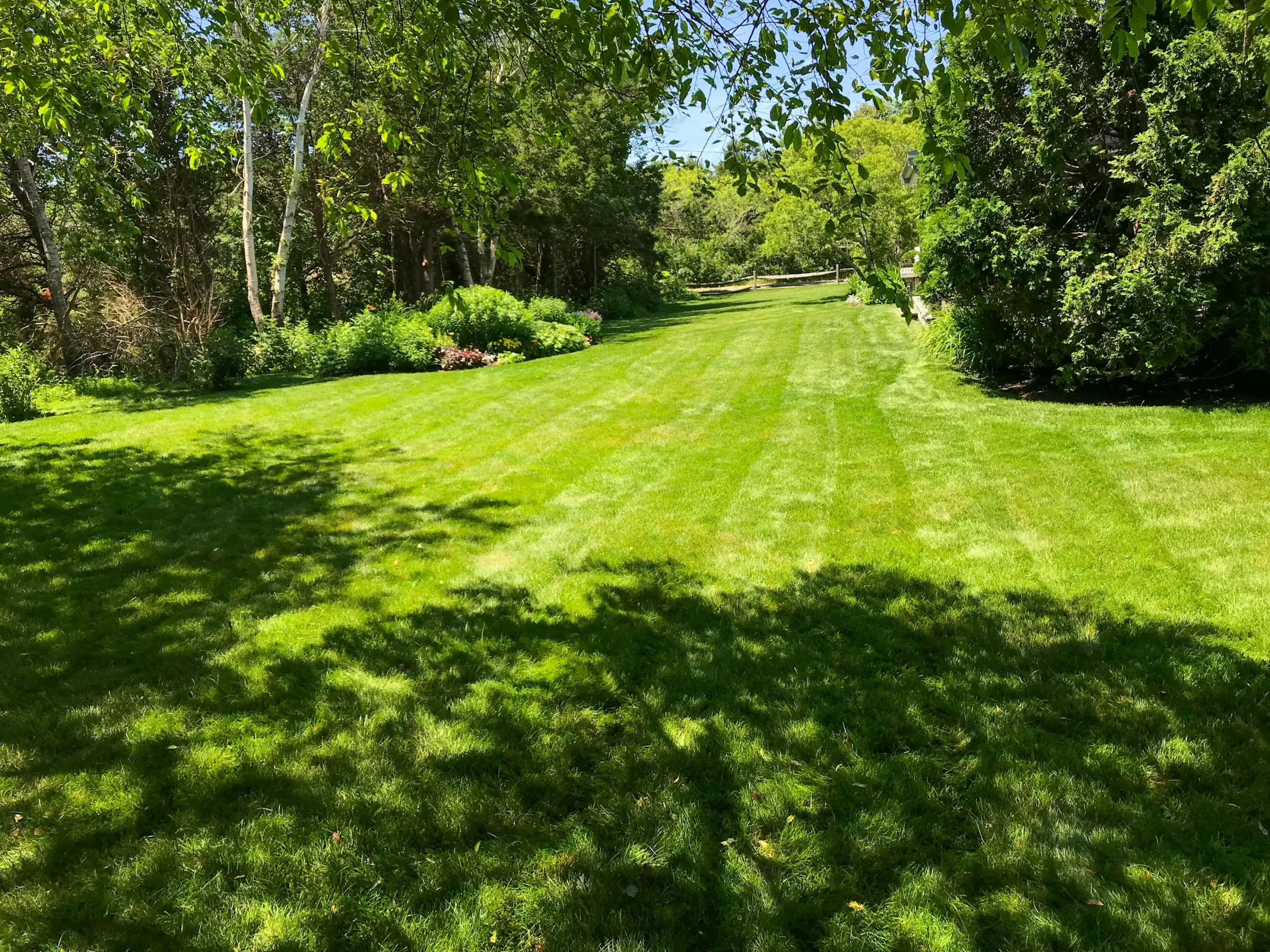
Are robot lawn mowers any good?
Yes, for the job they are designed for: keeping an established lawn at an even height through the growing season. They cut little and often, leave fine clippings as mulch and run on a schedule without you. They are less good at long grass, steep banks beyond their rating and tight edges next to walls.
The technology has changed quickly. Until recently almost every robot needed a perimeter wire laid round the lawn. Now most new models find their way with satellites, lasers or cameras and are set up by walking the mower round the lawn once in an app. That removes the biggest chore of owning one. Our robot lawn mower without perimeter wire page compares those models.
Why use a robotic lawn mower instead of mowing yourself?
Mostly for time. A British lawn grows fast in spring and early summer and usually needs cutting at least weekly. A robot does that on its own, several times a week, which keeps the grass at one height instead of the long-short cycle of weekend mowing. It is also quiet and produces no exhaust.
The frequent, light cut is also good for the grass. The Royal Horticultural Society advises never removing more than a third of the leaf at a time, which a robot does automatically because it only trims a few millimetres per pass. You set the cutting height once and the lawn stays there.
For people who find pushing a mower hard work, or who are away a lot in summer, a robot can be the difference between a kept lawn and an overgrown one. If you are weighing it against a conventional machine, our robot mower vs cordless mower guide compares the two point by point.
What are the downsides of a robot mower?
The main drawbacks are the upfront outlay, the setup, and the parts of the garden a robot cannot do. Edges along walls still need trimming, steep banks may be out of reach, and wire-free models depend on a satellite signal, a laser view or good light. You also need somewhere for the charging station and a plan for winter.
There is a learning period too. The first weeks often involve adjusting zones, moving the station or clearing spots where the mower gets stuck, such as exposed roots or a dip by the patio. Toys, hoses and fallen fruit need clearing, even with obstacle detection.
Finally, robot mowers should not run at night. Hedgehogs feed from dusk, and the British Hedgehog Preservation Society asks owners not to use these machines between dusk and dawn. Our guide on robot mowers and hedgehogs explains why.
Which gardens are robot mowers not suited to?
Gardens with very steep banks, lots of small separate patches, rough or bumpy ground, or lawns that are only cut a few times a year are poor fits. A very small lawn of a few square metres is often quicker to cut by hand. Long meadow grass and wildflower areas are best left to a strimmer or scythe.
Slopes are the most common deal-breaker. Most two-wheel-drive models stop at 30 to 45%, so check the steepest part first; our page on the robot mower for slopes lists the models that go further. Lawns split by steps also need a route the mower can drive, or you carry it between areas.
What does a robot mower cost to run?
Running costs are modest: a little electricity to charge the battery, replacement blades a few times a season and, after several years, a new battery. Some models need a mobile data plan or a correction service, though several makers include this. The purchase itself is the big outlay, and current prices are shown on each model card.
Look at what is included before comparing. Segway says network RTK and the mobile data it needs are included on the i208 AWD, and Worx says its cloud RTK service needs no extra subscription. eufy notes that its camera models may need a 4G data plan where Wi-Fi does not reach. A wired model needs the wire and pegs in the box, plus some time to lay them.
For a shortlist of entry-level models, see our budget robot lawn mower page.
Do robot mowers improve the lawn?
They usually make it look more even, because the grass never gets long between cuts. The fine clippings return nutrients to the soil as they break down. What a robot will not do is fix moss, bare patches or poor drainage; scarifying, feeding and overseeding are still jobs for you in spring and autumn.
The one thing robots rarely give is the classic striped finish: even models that mow in straight lines have no roller to lay the grass over. If stripes matter to you, a roller mower once in a while still does that. For how often the mower should run to get the best result, see how often a robot mower should run, and for help choosing one, read how to choose a robot lawn mower.
Common questions
Do robot mowers collect the grass clippings?
No. They cut a few millimetres at a time and leave the fine clippings on the lawn, where they break down quickly. There is no grass box to empty.
Can a robot mower deal with long grass?
Only up to a point. They are built to keep a lawn at a set height, not to cut a meadow. After a long gap, such as early spring, cut the lawn once with a normal mower and let the robot take over from there.
Are robot mowers safe around children and pets?
The makers fit lift and tilt sensors that stop the blades when the mower is picked up or tipped, and many models add cameras or LiDAR to steer round objects. Children should still be kept away from a running mower, and it is sensible to schedule it when the garden is not in use.
Do robot mowers work in the UK climate?
Yes. Mild, damp British weather keeps grass growing from spring to autumn, which is exactly the job a robot does well. Rain is the main limit: some models have rain sensors and return to the station, and mowing wet grass gives a poorer cut.